ERVA Network
Cooperation between stations
ERVA Network


What is the ERVA Network?
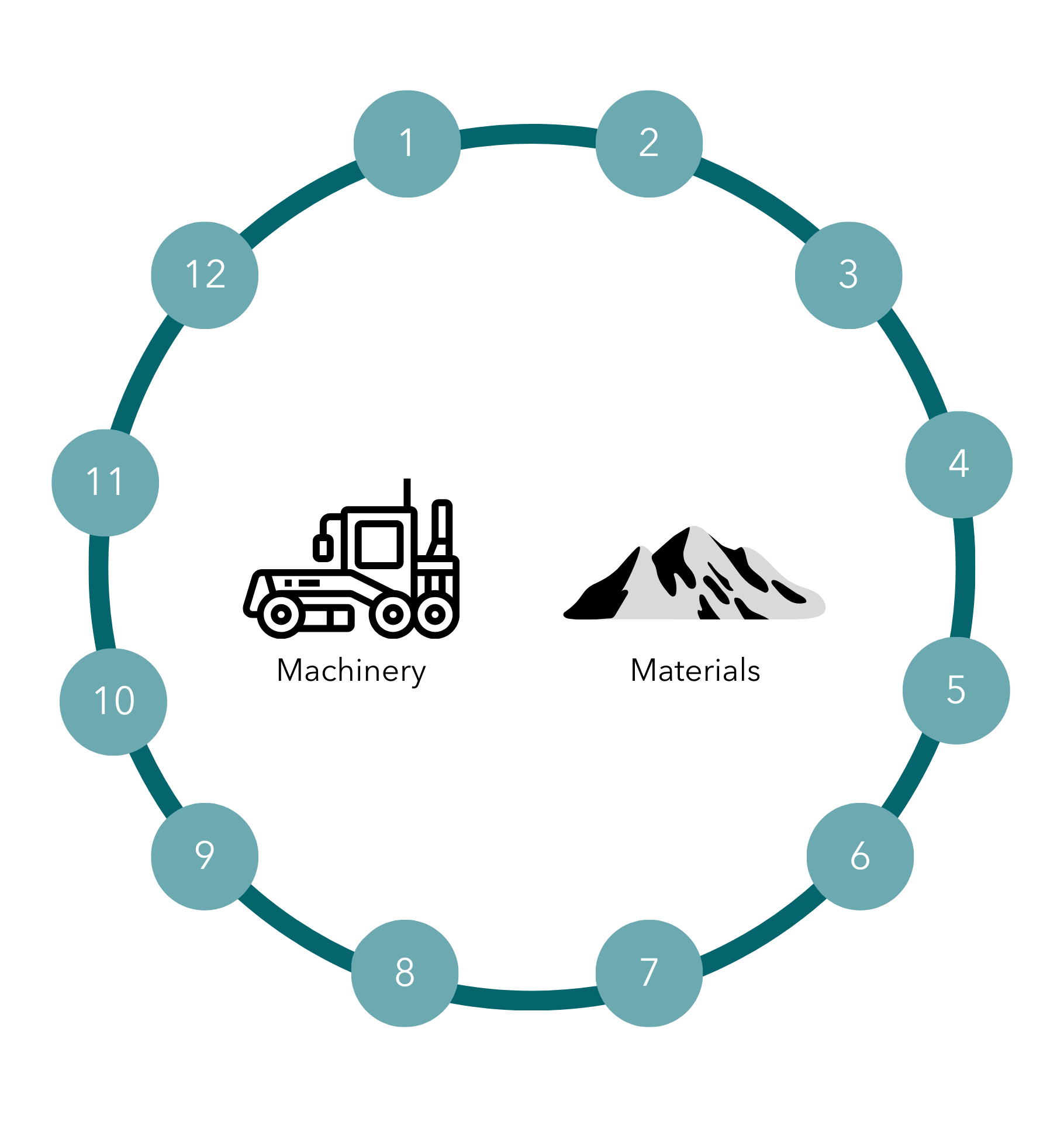
The ERVA Network is a set of self-managed Urban Pruning Waste Valorization Stations that work through a system of complementation and collaboration. This cooperative approach enables an efficient strategy based on the exchange of materials and machinery, optimizing available resources.
The collaboration between stations boosts productivity through shared use of resources, enhancing effectiveness in the valorization of pruning and gardening waste. The ERVA Network not only maximizes resource usage but also promotes sustainability and efficiency in urban waste management.
What is the ERVA Network used for?
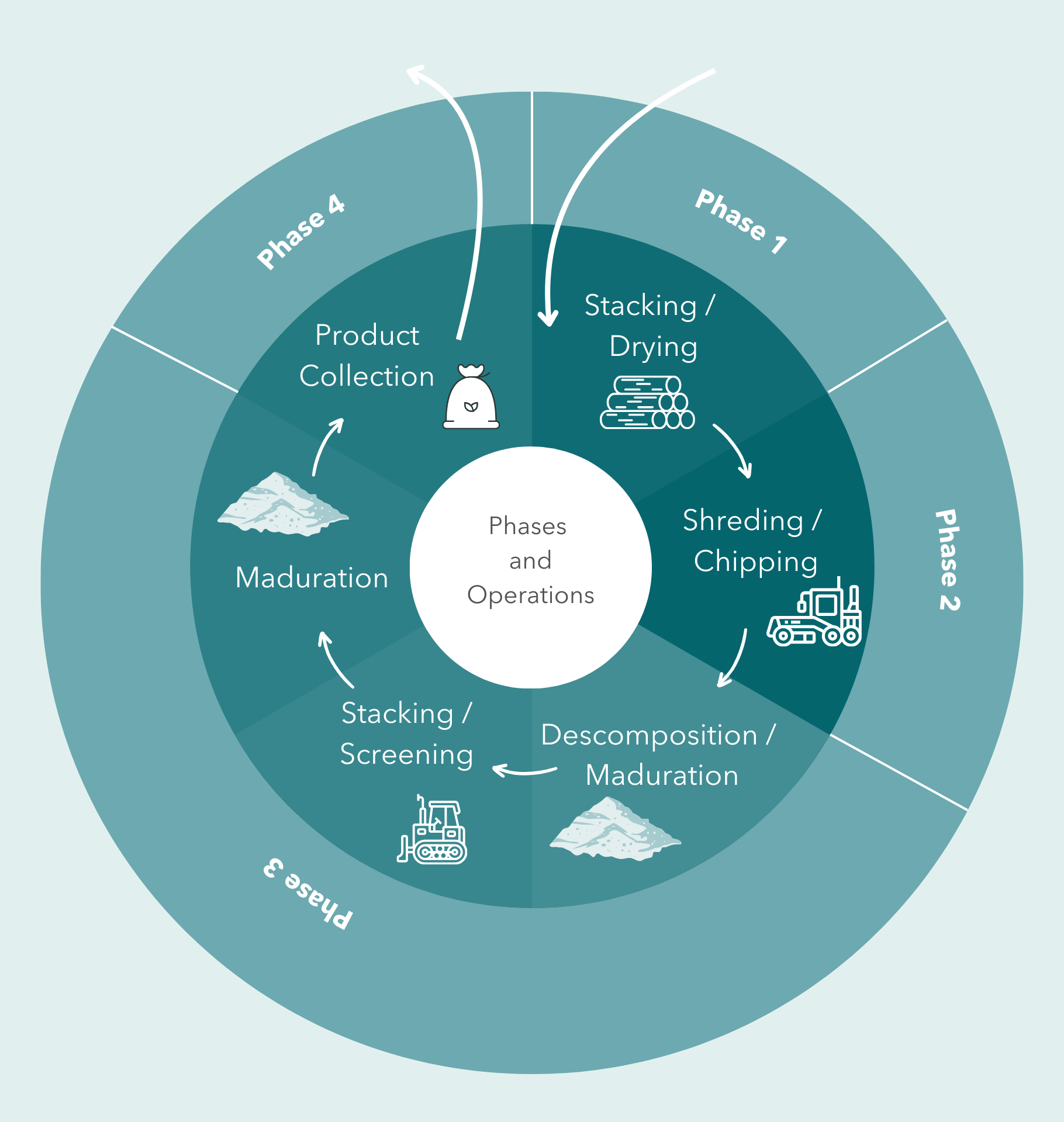
The ERVA Network serves to reduce the use of resources allocated for valorization and increase the efficiency of the stations. Each station follows the same structure and operations, requiring specific materials to achieve optimal results. If one station lacks a component to carry out an operation, another station within the ERVA Network can supply it. This ensures that all operations have the necessary tools to efficiently valorize green pruning and gardening, ensuring more effective and sustainable management.
The saving of resources and the reduction of emissions are also achieved with a proximity network that is simple and symmetrical to use, with no waiting times, self-managed and telematically assisted, made available to all producers of pruning and gardening waste throughout the territory, saving them long trips.
What are the aims of the ERVA Network?
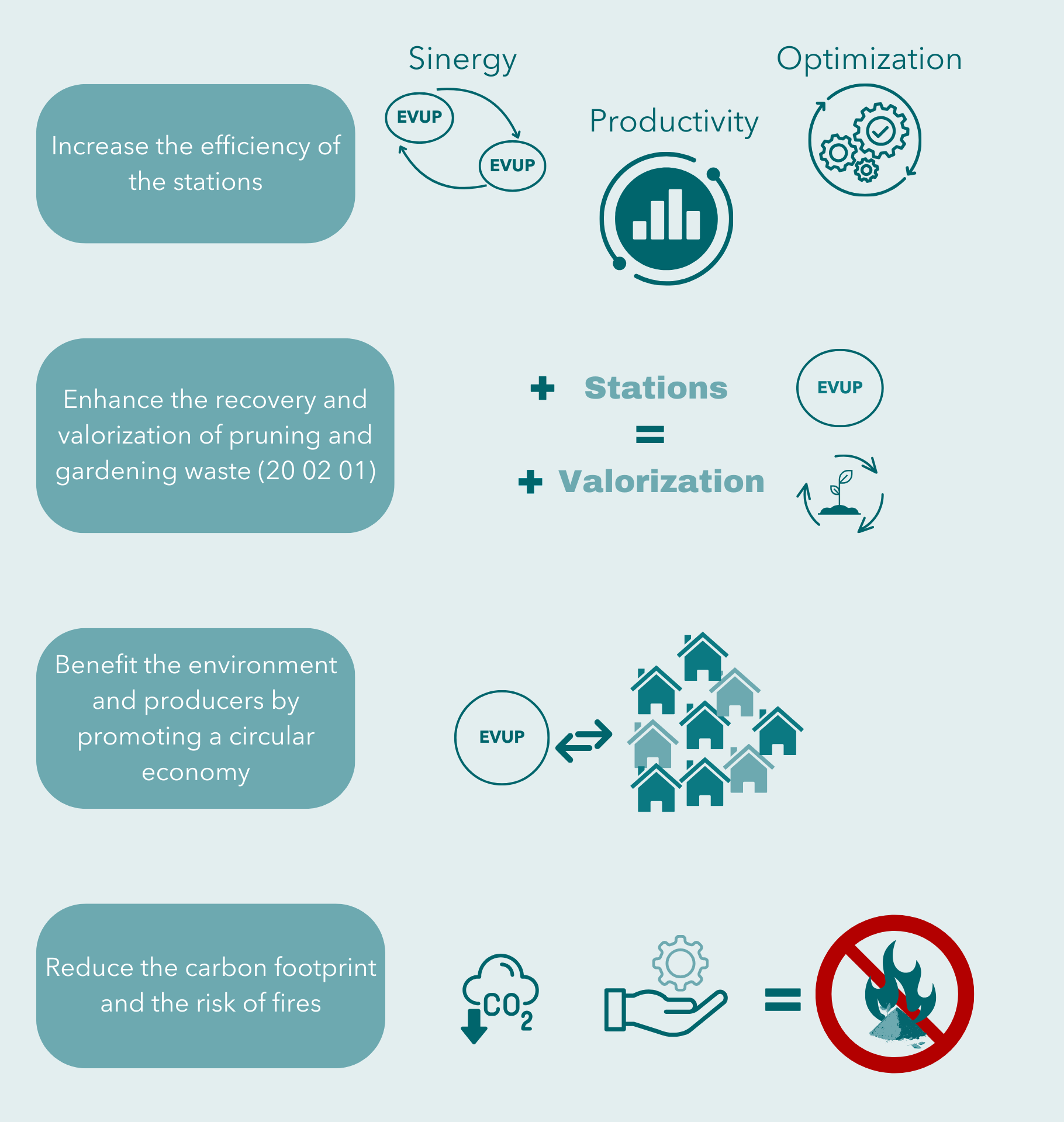
The objectives of the ERVA Network include:
- Increasing efficiency of stations: Enhance synergy and resource use among Urban Pruning Valorization Stations (Salf-Managed ERVA) to optimize operations and productivity.
- Maximizing the valorization of biodegradable waste (20 02 01): Expanding the number of stations increases the volume of collected pruning and gardening waste destined for valorization, reducing the carbon footprint of producers.
- Supporting the environment and producers: Promote the circular economy by providing a sustainable solution for small producers, preventing uncontrolled dumping, and enabling municipalities to benefit from the products of the valorization process.
- Reducing carbon footprint and fire risk: Optimize logistics to minimize unnecessary trips and manage green waste properly, offering an alternative to the burning of plant waste.

What services does the ERVA Network offer?
The main service offered by an ERVA Network is the complementarity between stations. This synergy enables the efficient rotation of tools and materials that are either in the process of recovery or already recovered. Through this symbiosis among stations, both the stations themselves and the tools used in the process can be maximized, ensuring efficient resource management and maintaining their full operational capacity. Thus, the ERVA Network optimizes its services to provide a comprehensive and sustainable solution for green waste management, contributing to environmental preservation and the development of a circular economy.
What benefits does the ERVA Network provide?
The ERVA Network offers multiple benefits for various areas.

Who is the ERVA Network aimed at?
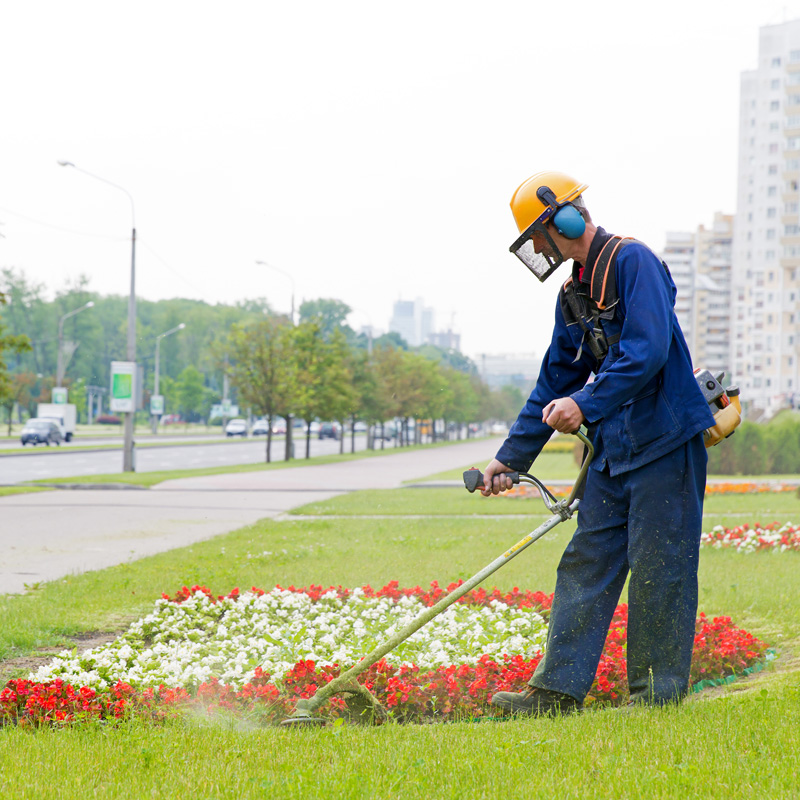
The ERVA Network is primarily aimed at producers of pruning and gardening waste, such as gardening companies, municipal park and garden services, and other entities responsible for maintaining green spaces. It also serves other sectors interested in sustainable and efficient management of green waste, including agriculture, as the valorized products are pure, plant-based, and chemical-free, benefiting cultivated lands.
In summary, ERVA Network is a versatile platform serving various entities related to the production and management of green waste. It supports sustainability, resource efficiency, and the circular economy, benefiting both the environment and local economies.